Sunitinib Malate
Generic of Sutent
What is Sunitinib Malate used for?
This medication is used to treat certain types of cancer (kidney, pancreas, and intestinal). It is also used to treat people who are at high risk of the kidney cancer coming back again after having kidney surgery. Sunitinib works by stopping or slowing the growth of cancer tumors. It also works by slowing the growth of new blood vessels within the tumor.
CHEMICAL NAME
DRUG TYPE
CancerSunitinib Malate Prices
Searching for the lowest prices

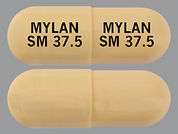
What does Sunitinib Malate look like?
View all Sunitinib Malate Image Information (4)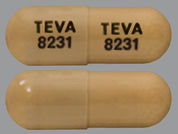


Sunitinib Malate Frequently Asked Questions
Before taking sunitinib, tell your doctor or pharmacist if you are allergic to it; or if you have any other allergies. This product may contain inactive ingredients, which can cause allergic reactions or other problems. Talk to your pharmacist for more details.
Before using this medication, tell your doctor or pharmacist your medical history, especially of: bleeding problems, heart problems (such as heart attack), high blood pressure, liver problems, kidney disease, thyroid disease, diabetes, blood vessel problems (such as an aneurysm or a tear/break in the aorta or other blood vessels).
Sunitinib may cause a condition that affects the heart rhythm (QT prolongation). QT prolongation can rarely cause serious (rarely fatal) fast/irregular heartbeat and other symptoms (such as severe dizziness, fainting) that need medical attention right away.
The risk of QT prolongation may be increased if you have certain medical conditions or are taking other drugs that may cause QT prolongation. Before using sunitinib, tell your doctor or pharmacist of all the drugs you take and if you have any of the following conditions: certain heart problems (heart failure, slow heartbeat, QT prolongation in the EKG), family history of certain heart problems (QT prolongation in the EKG, sudden cardiac death).
Low levels of potassium or magnesium in the blood may also increase your risk of QT prolongation. This risk may increase if you use certain drugs (such as diuretics/"water pills") or if you have conditions such as severe sweating, diarrhea, or vomiting. Talk to your doctor about using sunitinib safely.
Do not have immunizations/vaccinations without the consent of your doctor, and avoid contact with people who have recently received oral polio vaccine or flu vaccine inhaled through the nose.
To lower the chance of getting cut, bruised or injured, use caution with sharp objects like safety razors or nail cutters and avoid activities such as contact sports.
Wash your hands well to prevent the spread of infections.
Some people taking sunitinib may have serious jawbone problems. Your doctor should check your mouth before you start this medication. Tell your dentist that you are taking this medication before you have any dental work done. To help prevent jawbone problems, have regular dental exams and learn how to keep your teeth and gums healthy. If you have jaw pain, tell your doctor and dentist right away.
Before having surgery, tell your doctor or dentist about all the products you use (including prescription drugs, nonprescription drugs, and herbal products).
This medication may cause wounds to heal slowly. Your doctor or dentist may tell you to stop this medication for at least 3 weeks before a surgery or procedure. Follow all instructions about when to stop and restart this medication. Tell your doctor or dentist right away if you have wounds that are not healing well.
Older adults may be more sensitive to the side effects of this drug, especially QT prolongation (see above).
Tell your doctor if you are pregnant or plan to become pregnant. You should not become pregnant while using sunitinib. Sunitinib may harm an unborn baby. Your doctor should order a pregnancy test before you start this medication. Women using this medication should ask about reliable forms of birth control during treatment and for 4 weeks after the last dose. Men using this medication should ask about reliable forms of birth control during treatment and for 7 weeks after the last dose. If you or your partner becomes pregnant, talk to your doctor right away about the risks and benefits of this medication.
It is unknown if this drug passes into breast milk. Because of the possible risk to the infant, breastfeeding is not recommended while using this drug and for 4 weeks after the last dose. Consult your doctor before breastfeeding.
IMPORTANT: HOW TO USE THIS INFORMATION: This is a summary and does NOT have all possible information about this product. This information does not assure that this product is safe, effective, or appropriate for you. This information is not individual medical advice and does not substitute for the advice of your health care professional. Always ask your health care professional for complete information about this product and your specific health needs.
