Reglan
Reglan generic name: Metoclopramide Hcl
What is Reglan used for?
This medication is used to treat certain conditions of the stomach and intestines. Metoclopramide is used as a short-term treatment (4 to 12 weeks) for ongoing heartburn when the usual medicines do not work well enough. It is used mostly for heartburn that occurs after a meal or during the daytime. Treating ongoing heartburn can decrease the damage done by stomach acid to the swallowing tube (esophagus) and help healing. Metoclopramide is also used in diabetic patients who have poor emptying of their stomachs (gastroparesis). Treating gastroparesis can decrease symptoms of nausea, vomiting, and stomach/abdominal fullness. Metoclopramide works by blocking a natural substance (dopamine). It speeds up stomach emptying and movement of the upper intestines. This drug is not recommended for use in children due to an increased risk of serious side effects (such as muscle spasms/uncontrolled muscle movements). Ask the doctor or pharmacist for details.
CHEMICAL NAME
DRUG TYPE
Gi DisordersReglan Prices
Searching for the lowest prices



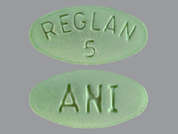
Reglan Frequently Asked Questions
Drug interactions may change how your medications work or increase your risk for serious side effects. This document does not contain all possible drug interactions. Keep a list of all the products you use (including prescription/nonprescription drugs and herbal products) and share it with your doctor and pharmacist. Do not start, stop, or change the dosage of any medicines without your doctor's approval.
Some products that may interact with this drug include: antipsychotic drugs (such as aripiprazole, haloperidol), atovaquone, dopamine agonists (such as cabergoline, pergolide, ropinirole), fosfomycin, MAO inhibitors (isocarboxazid, linezolid, metaxalone, methylene blue, moclobemide, phenelzine, procarbazine, rasagiline, safinamide, selegiline, tranylcypromine), pramlintide, phenothiazines (such as promethazine, prochlorperazine), rivastigmine.
Metoclopramide causes food and medication to move through your stomach more quickly, which may affect the absorption of some drugs. Talk to your doctor or pharmacist to see if any of the drugs that you are taking may be affected.
Tell your doctor or pharmacist if you are taking other products that cause drowsiness, including alcohol, marijuana (cannabis), antihistamines (such as cetirizine, diphenhydramine), drugs for sleep or anxiety (such as alprazolam, diazepam, zolpidem), muscle relaxants, and opioid pain relievers (such as codeine).
Check the labels on all your medicines (such as allergy or cough-and-cold products) because they may contain ingredients that cause drowsiness. Ask your pharmacist about using those products safely.
IMPORTANT: HOW TO USE THIS INFORMATION: This is a summary and does NOT have all possible information about this product. This information does not assure that this product is safe, effective, or appropriate for you. This information is not individual medical advice and does not substitute for the advice of your health care professional. Always ask your health care professional for complete information about this product and your specific health needs.
