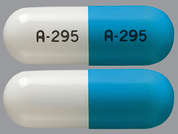
See also the Warning section.
Before taking trimipramine, tell your doctor or pharmacist if you are allergic to it; or to other tricyclic antidepressants (such as amitriptyline, imipramine); or if you have any other allergies. This product may contain inactive ingredients, which can cause allergic reactions or other problems. Talk to your pharmacist for more details.
Before using this medication, tell your doctor or pharmacist your medical history, especially of: blood problems (such as agranulocytosis, thrombocytopenia), breathing problems (such as asthma, chronic obstructive pulmonary disorder-COPD), diabetes, electroshock therapy, personal or family history of glaucoma (angle-closure type), heart problems (such as recent heart attack, arrhythmias, coronary artery disease), intestinal problems (such as chronic constipation, ileus), kidney problems, liver problems, other mental/mood conditions (such as bipolar disorder, psychosis), family history of mental/mood conditions (such as suicide, bipolar disorder), seizures, conditions that may increase your risk of seizures (such as bulimia, organic brain disease, alcohol withdrawal), overactive thyroid (hyperthyroidism), problems urinating (urinary retention, enlarged prostate).
Trimipramine may cause a condition that affects the heart rhythm (QT prolongation). QT prolongation can rarely cause serious (rarely fatal) fast/irregular heartbeat and other symptoms (such as severe dizziness, fainting) that need medical attention right away.
The risk of QT prolongation may be increased if you have certain medical conditions or are taking other drugs that may cause QT prolongation. Before using trimipramine, tell your doctor or pharmacist of all the drugs you take and if you have any of the following conditions: certain heart problems (heart failure, slow heartbeat, QT prolongation in the EKG), family history of certain heart problems (QT prolongation in the EKG, sudden cardiac death).
Low levels of potassium or magnesium in the blood may also increase your risk of QT prolongation. This risk may increase if you use certain drugs (such as diuretics/"water pills") or if you have conditions such as severe sweating, diarrhea, or vomiting. Talk to your doctor about using trimipramine safely.
This drug may make you dizzy or drowsy or blur your vision. Alcohol or marijuana (cannabis) can make you more dizzy or drowsy. Do not drive, use machinery, or do anything that needs alertness or clear vision until you can do it safely. Limit alcoholic beverages. Talk to your doctor if you are using marijuana (cannabis).
Before having surgery, tell your doctor or dentist about all the products you use (including prescription drugs, nonprescription drugs, and herbal products).
This medication may make you more sensitive to the sun. Limit your time in the sun. Avoid tanning booths and sunlamps. Use sunscreen and wear protective clothing when outdoors. Tell your doctor right away if you get sunburned or have skin blisters/redness.
This drug may rarely make your blood sugar rise, which can cause or worsen diabetes. If you have diabetes, check your blood sugar regularly as directed and share the results with your doctor. Tell your doctor right away if you have symptoms of high blood sugar such as increased thirst/urination. Your doctor may need to adjust your diabetes medication, exercise program, or diet.
Older adults may be more sensitive to the side effects of this drug, especially dizziness (more likely when standing up), drowsiness, confusion, constipation, trouble urinating or QT prolongation (see above). Drowsiness, dizziness, or confusion can increase the risk of falling.
During pregnancy, this medication should be used only when clearly needed. Infants born to mothers who have taken similar medications during pregnancy may develop trouble urinating, lethargy, shaking (tremors), and seizures. Discuss the risks and benefits with your doctor.
Since untreated mental/mood problems (such as depression) can be a serious condition, do not stop taking this medication unless directed by your doctor. If you are planning pregnancy, become pregnant, or think you may be pregnant, immediately discuss with your doctor the benefits and risks of using this medication during pregnancy.
It is unknown if this medication passes into breast milk. Consult your doctor before breastfeeding.