Thioridazine Hcl
Thioridazine Hcl
What is Thioridazine Hcl used for?
This medication is used to treat certain mental/mood disorders (such as schizophrenia). Thioridazine belongs to a class of drugs known as antipsychotics. It works by helping to restore the balance of certain natural substances in the brain.
CHEMICAL NAME
DRUG TYPE
Mental DiseasesThioridazine Hcl Prices
Searching for the lowest prices

What does Thioridazine Hcl look like?
View all Thioridazine Hcl Image Information (10)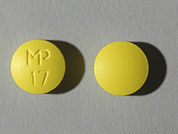
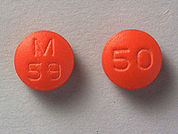


Thioridazine Hcl Frequently Asked Questions
Dizziness, lightheadedness, drowsiness, difficulty urinating, constipation, restlessness, headache, and blurred vision may occur. If any of these effects last or get worse, tell your doctor or pharmacist promptly.
Dizziness and lightheadedness can increase the risk of falling. Get up slowly when rising from a sitting or lying position.
Remember that this medication has been prescribed because your doctor has judged that the benefit to you is greater than the risk of side effects. Many people using this medication do not have serious side effects.
Tell your doctor right away if you have any serious side effects, including: shaking (tremors), mask-like facial expression, shuffling walk, muscle spasms, signs of infection (such as sore throat that doesn't go away, fever, chills), vision changes (such as vision loss, sudden difficulty seeing at night, brown-tinged vision).
Get medical help right away if you have any very serious side effects, including: severe dizziness, fainting, slow heartbeat, seizures.
Thioridazine may rarely cause a condition known as tardive dyskinesia. In some cases this condition may be permanent. Tell your doctor right away if you develop any unusual/uncontrolled movements (especially of the face, lips, tongue, arms or legs).
In rare cases, thioridazine may increase your level of a certain chemical made by the body (prolactin). For females, this increase in prolactin may result in unwanted breast milk, missed/stopped periods, or difficulty becoming pregnant. For males, it may result in decreased sexual ability, inability to produce sperm, or enlarged breasts. If you develop any of these symptoms, tell your doctor right away.
This medication may rarely cause a very serious condition called neuroleptic malignant syndrome (NMS). Get medical help right away if you have any of the following symptoms: fever, muscle stiffness/pain/tenderness/weakness, severe tiredness, severe confusion, sweating, fast/irregular heartbeat, dark urine, signs of kidney problems (such as change in the amount of urine).
A very serious allergic reaction to this drug is rare. However, get medical help right away if you notice any symptoms of a serious allergic reaction, including: rash, itching/swelling (especially of the face/tongue/throat), severe dizziness, trouble breathing.
This is not a complete list of possible side effects. If you notice other effects not listed above, contact your doctor or pharmacist.
In the US -
Call your doctor for medical advice about side effects. You may report side effects to FDA at 1-800-FDA-1088 or at www.fda.gov/safety/medwatch-fda-safety-information-and-adverse-event-reporting-program.
In Canada - Call your doctor for medical advice about side effects. You may report side effects to Health Canada at 1-866-234-2345.
IMPORTANT: HOW TO USE THIS INFORMATION: This is a summary and does NOT have all possible information about this product. This information does not assure that this product is safe, effective, or appropriate for you. This information is not individual medical advice and does not substitute for the advice of your health care professional. Always ask your health care professional for complete information about this product and your specific health needs.
