Solu-Cortef
Hydrocortisone Sodium Succ/Pf
What is Solu-Cortef used for?
This medication is used to treat various conditions such as arthritis, severe allergies, blood diseases, breathing problems, certain cancers, eye diseases, intestinal disorders, and skin diseases. It weakens your immune system's response to various diseases to reduce symptoms such as swelling and allergic-type reactions. Hydrocortisone may also be used with other medications to replace certain hormones if you have decreased adrenal gland function or Addison's disease. Hydrocortisone belongs to a class of drugs known as corticosteroids. Hydrocortisone injection is used when a similar drug cannot be taken by mouth or when a very fast treatment is needed for patients with severe medical conditions. Talk to your doctor about the risks and benefits of hydrocortisone, especially if it is to be injected near your spine (epidural). Rare but serious side effects may occur with epidural use.
CHEMICAL NAME
DRUG TYPE
Inflammation/Immune DisordersSolu-Cortef Prices
Searching for the lowest prices


What does Solu-Cortef look like?
View all Solu-Cortef Image Information (7)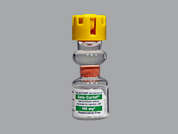


Solu-Cortef Frequently Asked Questions
Before using hydrocortisone, tell your doctor or pharmacist if you are allergic to it; or if you have any other allergies. This product may contain inactive ingredients, which can cause allergic reactions or other problems. Talk to your pharmacist for more details.
Before using this medication, tell your doctor or pharmacist your medical history, especially of: bleeding problems, blood clots, bone loss (osteoporosis), diabetes, certain eye diseases (such as cataracts, glaucoma, herpes infection of the eye), heart problems (such as heart failure, recent heart attack), high blood pressure, current/past infections (such as those caused by fungus, herpes, tuberculosis, threadworm), kidney disease, liver disease (such as hepatitis B), mental/mood conditions (such as psychosis, anxiety, depression), stomach/intestinal problems (such as diverticulitis, ulcer, ulcerative colitis), seizures, thyroid problems, mineral imbalance (such as low levels of potassium or calcium in the blood), a certain adrenal gland tumor (pheochromocytoma).
This drug may make you dizzy. Alcohol or marijuana (cannabis) can make you more dizzy. Do not drive, use machinery, or do anything that needs alertness until you can do it safely. Talk to your doctor if you are using marijuana (cannabis).
This medicine may cause stomach bleeding. Daily use of alcohol while using this medicine may increase your risk for stomach bleeding. Limit alcoholic beverages.
Using corticosteroid medications for a long time can make it more difficult for your body to respond to physical stress. Before having surgery or emergency treatment, or if you get a serious illness/injury, tell your doctor or dentist that you are using this medication or have used this medication within the past 12 months. Tell your doctor right away if you develop unusual/extreme tiredness or weight loss. If you will be using this medication for a long time, carry a warning card or medical ID bracelet that identifies your use of this medication.
This medication may mask signs of infection. It can make you more likely to get infections or may make current infections worse. Stay away from anyone who has an infection that may easily spread (such as chickenpox, COVID-19, measles, flu). Talk to your doctor if you have been exposed to an infection or for more details.
Tell your health care professional that you are using hydrocortisone before having any immunizations, vaccinations, or skin tests. Avoid contact with people who have recently received live vaccines (such as flu vaccine inhaled through the nose).
Older adults may be more sensitive to the side effects of this drug, especially bone loss/pain, stomach/intestinal bleeding, and mental/mood changes (such as confusion).
This medication may slow down a child's growth if used for a long time. Consult the doctor or pharmacist for more details. See the doctor regularly so your child's height and growth can be checked.
During pregnancy, this medication should be used only when clearly needed. It may rarely harm an unborn baby. Discuss the risks and benefits with your doctor. Infants born to mothers who use this medication for a long time may have hormone problems. Tell your doctor right away if you notice symptoms such as nausea/vomiting that doesn't stop, severe diarrhea, or weakness in your newborn.
This medication passes into breast milk but is unlikely to harm a nursing infant. Consult your doctor before breastfeeding.
IMPORTANT: HOW TO USE THIS INFORMATION: This is a summary and does NOT have all possible information about this product. This information does not assure that this product is safe, effective, or appropriate for you. This information is not individual medical advice and does not substitute for the advice of your health care professional. Always ask your health care professional for complete information about this product and your specific health needs.
