Fentanyl Citrate
Generic of Fentanyl Citrate
What is Fentanyl Citrate used for?
This medication is used to help relieve sudden (breakthrough) cancer pain in people who are regularly taking moderate to large amounts of opioid pain medication. Fentanyl belongs to a class of drugs known as opioid analgesics. It works in the brain to change how your body feels and responds to pain. This medication should not be used to relieve mild or short-term pain (such as due to headache/migraine, dental procedures, surgery).
CHEMICAL NAME
DRUG TYPE
Pain/InflammationFentanyl Citrate Prices
Searching for the lowest prices

What does Fentanyl Citrate look like?
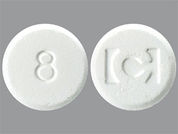
View all Fentanyl Citrate Image Information (2)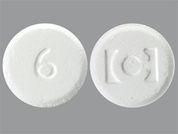
Fentanyl Citrate Frequently Asked Questions
See also Warning section.
Nausea, vomiting, constipation, lightheadedness, dizziness, drowsiness, or headache may occur. Pain, sores, or irritation in the mouth (where the medication has been applied) may also occur. Some of these side effects may decrease after you have been using this medication for a while. If any of these effects last or get worse, tell your doctor or pharmacist promptly.
To prevent constipation, eat dietary fiber, drink enough water, and exercise. You may also need to take a laxative. Ask your pharmacist which type of laxative is right for you.
To reduce the risk of dizziness and lightheadedness, get up slowly when rising from a sitting or lying position.
Remember that this medication has been prescribed because your doctor has judged that the benefit to you is greater than the risk of side effects. Many people using this medication do not have serious side effects.
Tell your doctor right away if you have any serious side effects, including: interrupted breathing during sleep (sleep apnea), mental/mood changes (such as agitation, confusion, hallucinations), severe stomach/abdominal pain, difficulty urinating, signs of your adrenal glands not working well (such as loss of appetite, unusual tiredness, weight loss), trouble swallowing.
Get medical help right away if you have any very serious side effects, including: fainting, seizure, slow/shallow breathing, severe drowsiness/difficulty waking up.
This medication may increase serotonin and rarely cause a very serious condition called serotonin syndrome/toxicity. The risk increases if you are also taking other drugs that increase serotonin, so tell your doctor or pharmacist of all the drugs you take (see Drug Interactions section). Get medical help right away if you develop some of the following symptoms: fast heartbeat, hallucinations, loss of coordination, severe dizziness, severe nausea/vomiting/diarrhea, twitching muscles, unexplained fever, unusual agitation/restlessness.
A very serious allergic reaction to this drug is rare. However, get medical help right away if you notice any symptoms of a serious allergic reaction, including: rash, itching/swelling (especially of the face/tongue/throat), severe dizziness, trouble breathing.
This is not a complete list of possible side effects. If you notice other effects not listed above, contact your doctor or pharmacist.
In the US -
Call your doctor for medical advice about side effects. You may report side effects to FDA at 1-800-FDA-1088 or at www.fda.gov/safety/medwatch-fda-safety-information-and-adverse-event-reporting-program.
In Canada - Call your doctor for medical advice about side effects. You may report side effects to Health Canada at 1-866-234-2345.
IMPORTANT: HOW TO USE THIS INFORMATION: This is a summary and does NOT have all possible information about this product. This information does not assure that this product is safe, effective, or appropriate for you. This information is not individual medical advice and does not substitute for the advice of your health care professional. Always ask your health care professional for complete information about this product and your specific health needs.
